Insights & Considerations
Practical Approaches to Daily Life That May Support Auditory Comfort and Overall Wellness
Introduction
This page presents considerations and insights about daily lifestyle factors that may relate to auditory wellness and general health. These are general lifestyle approaches, not medical recommendations. They reflect practices that many consider supportive of overall well-being, which may indirectly influence auditory comfort.
Important Clarification: The practices discussed are general wellness approaches, not treatments for hearing conditions. Always consult a qualified healthcare provider for medical concerns. Nothing on this page should be interpreted as medical advice or as a substitute for professional care.
Daily Lifestyle Considerations
Sleep Quality & Duration
Adequate, quality sleep is fundamental to overall health restoration. Most adults benefit from 7-9 hours of consistent sleep. During sleep, the body undergoes repair and consolidation processes essential to all physiological systems, including those involved in sensory perception and cognitive function.
Consideration: Sleep deprivation affects general wellness and may influence how we perceive and interpret auditory stimuli.
Hydration
Adequate fluid intake supports cardiovascular function, cellular health, and overall physiological processes. Proper hydration affects blood volume, circulation, and the function of delicate systems throughout the body.
Consideration: Some of the structures involved in hearing function optimally with proper hydration, as they depend on fluid dynamics.
Stress Management
Chronic stress affects multiple body systems and can influence sensory perception. Practices such as meditation, gentle exercise, time in nature, and relaxation techniques may help manage stress and its physiological effects.
Consideration: Stress can heighten sensitivity to auditory stimuli and affect how we interpret sound.
Physical Activity
Regular moderate physical activity supports cardiovascular health, improves circulation, enhances mood, and maintains overall physiological function. Exercise benefits extend across all body systems.
Consideration: Cardiovascular health directly supports auditory system function, as hearing structures depend on adequate blood flow.
Nutrition & Diet
A balanced diet rich in nutrients supports cellular health and physiological processes. Antioxidant-rich foods, omega-3 fatty acids, vitamins, and minerals contribute to overall health and may support cardiovascular function.
Consideration: Good nutrition supports systemic health, which indirectly influences auditory system function.
Acoustic Awareness
Being mindful of your acoustic environment and noise exposure is a practical consideration. Excessive noise can affect general comfort and well-being. Awareness of sound levels and intentional choices about noise exposure reflect responsible self-care.
Consideration: Cumulative noise exposure affects overall comfort and well-being.
Mindful Sound Practices
Listening Awareness
Practicing mindful listening—paying conscious attention to sounds in your environment—can enhance awareness and appreciation of acoustic experiences. Active listening differs from passive exposure to sound.
Volume Consciousness
Being aware of volume levels when using audio devices, in entertainment venues, or in work environments reflects practical concern for comfort. Moderate, moderate volume levels support longer-term comfort compared to consistently elevated levels.
Environment Selection
When possible, choosing quieter environments for rest, focus, and relaxation supports overall well-being. Natural quiet spaces, libraries, and purposefully designed quiet zones provide acoustic sanctuaries.
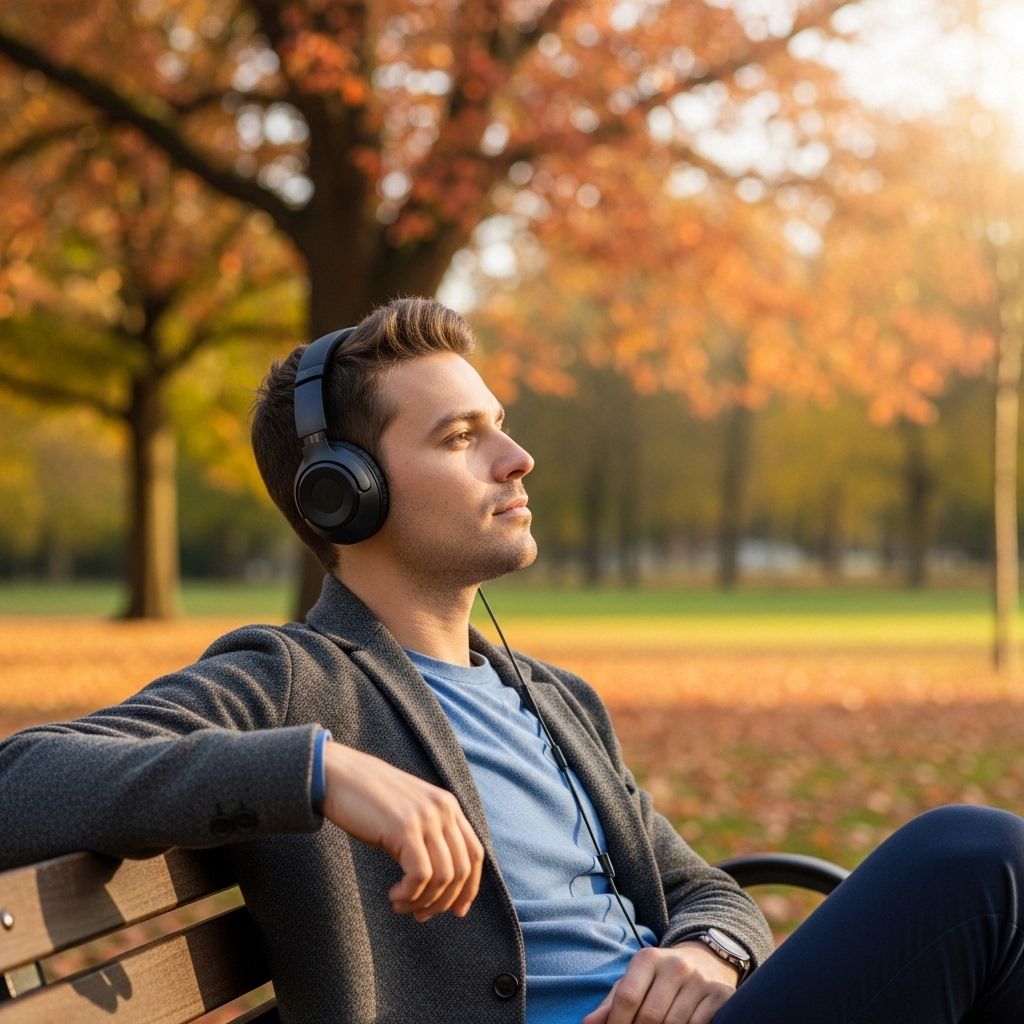
Environmental Considerations
Acoustic Environment Quality
Your acoustic environment—the collection of sounds that characterize your space—influences your well-being. Environments with excessive noise can elevate stress and affect concentration and comfort. Conversely, appropriately quiet environments support relaxation and mental clarity.
60 dB
Comfortable ambient sound level for focus and relaxation
80+ dB
Elevated levels that may affect comfort during extended exposure
50 dB
Quiet environment level found in peaceful natural settings
Urban Acoustic Environment
Urban environments often present higher ambient noise levels from traffic, construction, and commercial activity. While unavoidable in many situations, awareness of these factors can prompt deliberate choices to seek quieter spaces during rest periods.
Natural Environments
Natural environments typically offer lower noise levels and more predictable acoustic patterns. Time spent in natural settings—forests, parks, water environments—provides acoustic relief and often contributes to overall restoration and well-being.
Creating Quiet Spaces
In your home or work environment, intentionally creating zones of relative quiet supports well-being. Simple measures include:
- Choosing quieter locations for rest and focus
- Using soft furnishings that absorb sound
- Reducing unnecessary device noise
- Establishing technology-free quiet periods
- Using white noise or natural sounds to mask disruptive noise
- Scheduling rest time away from high-noise environments
Nutritional Considerations
While we do not claim that any food or supplement treats hearing conditions, certain nutritional factors support general cardiovascular and cellular health, which may indirectly support auditory system function.
Beneficial Nutritional Factors
Important Nutritional Considerations
- Balanced diet is more important than individual foods
- Individual nutritional needs vary based on age, health status, and other factors
- Supplements do not replace a healthy diet
- Consult healthcare providers before starting supplements, especially if taking medications
- Food allergies and sensitivities require professional guidance
Stress Reduction & Mental Well-being
Chronic stress affects multiple body systems and can heighten sensitivity to auditory stimuli. Various practices may help manage stress and support overall well-being:
Relaxation Techniques
- Meditation: Focused attention practices that may reduce stress and enhance awareness
- Deep breathing: Simple techniques that activate the parasympathetic nervous system
- Progressive muscle relaxation: Systematic tension release throughout the body
- Yoga: Combines movement, breathing, and mindfulness
- Tai Chi: Gentle, flowing movement practice that promotes balance and calm
- Time in nature: Exposure to natural environments and green spaces
Lifestyle Practices
- Regular exercise: Physical activity releases stress-reducing neurochemicals
- Social connection: Relationships and community support mental well-being
- Creative activities: Artistic expression, music, crafts can be therapeutic
- Adequate rest: Sleep and downtime are essential for stress recovery
- Hobbies and interests: Activities that bring joy and engagement
- Limiting stimulants: Reducing caffeine and other stimulating substances
Mental Health Support
If you experience persistent stress, anxiety, depression, or other mental health challenges, professional support is important. Consult with a mental health professional such as a psychologist, psychiatrist, or counselor.
Device and Technology Use
Headphone and Earphone Use
Headphone use is a common part of modern life. Practical considerations include:
- Volume levels: Moderate volumes are generally safer than high volumes
- Duration: Frequent breaks during extended use allow ear rest
- Fit: Properly fitted devices may provide better sound at lower volumes
- Type: Over-ear headphones allow ambient sound awareness compared to in-ear options
- Awareness: Mindful listening practices support safer use
- Device maintenance: Clean devices function better and may reduce need for high volumes
Screen and Device Time
Extended screen time and device use can contribute to eye strain, postural issues, and auditory fatigue. Breaks and varied activities support overall well-being.
Sleep and Technology
Using devices before sleep can affect sleep quality due to blue light exposure and mental stimulation. Reducing device use in the hour before sleep may support better sleep.
Special Considerations
Age-Related Considerations
Different life stages have different wellness needs. Children, adults, elderly individuals, and special populations each have unique considerations for auditory and general wellness. Appropriate approaches vary by age and individual circumstances.
Pregnancy and Post-Partum
Pregnancy and nursing involve significant physiological changes. Specialized guidance from healthcare providers is essential. This page's general considerations do not apply universally during these periods.
Medical Conditions
If you have existing medical conditions, medications, or other health factors, general wellness considerations must be adapted to your specific situation. Always consult your healthcare provider.
Individual Differences
What supports one person's wellness may not apply to another. Individual factors including genetics, health history, lifestyle, and environment create unique wellness profiles. Personalized approaches are often more effective than generic recommendations.
A Practical Framework
Consider starting with one or two areas of focus rather than overhauling everything at once. Small, consistent changes are often more sustainable than dramatic transformations. Examples might include: adding one relaxation practice, increasing water intake, or scheduling a weekly outdoor activity.
Notice how different practices affect your overall sense of well-being. What works for you may differ from general recommendations. Pay attention to how you feel with different approaches and adjust accordingly. Journaling can help identify patterns and effective practices.
For significant changes, especially if you have health conditions or take medications, consult with healthcare providers. They can provide personalized guidance appropriate for your situation. What appears generally beneficial may not be suitable for your specific circumstances.
Wellness is an ongoing practice, not a destination. Consistency matters more than perfection. Sustainable practices that you can maintain over years and decades create lasting benefit. Focus on building habits that fit your life rather than extreme measures.
Final Thoughts
The considerations on this page represent general lifestyle practices that many find supportive of overall well-being. While not medical treatments, attention to these areas reflects responsible self-care and may contribute to a sense of health and vitality.
When to Seek Professional Help
If you experience symptoms, persistent discomfort, or significant changes in your health or well-being, consult a qualified healthcare professional. This page's considerations complement, but do not replace, professional medical care.
Never use general wellness practices as a substitute for professional evaluation when you have health concerns.